
"energy efficient"
200 article(s) found

The coffee pot consumes far more electricity than the refrigerator.
The small home appliance industry has become the focus of public attention overnight. Recently, some media reported that the energy efficiency of nearly 50% of small household appliance enterprises in China is not up to standard. Although this view is not official and its credibility is questionable, it more or less reminds consumers that when buying small household appliances, they should not pursue low prices too much and ignore their energy consumption, because many seem inconspicuous.

Small household appliances are electric tigers, coffee pots consume far more electricity than refrigerators.
The rated power of the coffee pot has reached 600W, which is not a small amount of electricity in a month at the rate of brewing coffee every day.

The basic Chemical reaction of Coffee Baking process
Original: Basic Chemical Reactions Occurring in the Roasting Process by Carl Staub sourced from the SCAA Roast Color Classification System developed by Agtron-SCAA in 1995 Many thermal and chemical reactions occur during the roasting proces

Basic chemical reactions in the roasting process of coffee in both Chinese and English
Original: Basic Chemical Reactions Occurring in the Roasting Process by Carl Staub sourced from the SCAA Roast Color Classification System developed by Agtron-SCAA in 1995 Many thermal and chemical reactions occur during the roasting proces

Explanation of the basic chemical reaction of coffee roasting in both Chinese and English
Original: Basic Chemical Reactions Occurring in the Roasting Process by Carl Staub sourced from the SCAA Roast Color Classification System developed by Agtron-SCAA in 1995 Many thermal and chemical reactions occur during the roasting proces

"Best Coffee" drinking schedule
Coffee is already a habit for some people, and drinking a cup of coffee during the day will improve your work efficiency. Enjoying different coffee at different times and in different moods can have different effects of refreshing, relaxing, soothing or stimulating. Follow the daily life trajectory and mood changes of office workers, and let the coffee schedule tell you how to choose.

Is coffee addictive? Drinking coffee is bad for your health? What's the harm of drinking coffee?
Is drinking coffee addictive? According to the city

HARIO halogen light wave heating furnace siphon pot heating equipment siphon pot coffee method
Features: halogen heater uses halogen lamp tube to convert 85% electricity into infrared heat energy, and achieves high efficiency heat collection effect through quartz glass placed above the lamp tube. Compared with direct fire heating, the heat source is more stable and is not affected by the surrounding breeze airflow! Application: suitable for coffee bar (can connect multiple light wave stoves), family, business

The difference between flat teeth and ghost teeth of coffee grinder-which is better than hand coffee grinder
Coffee grinder flat tooth and ghost tooth difference-hand coffee bean grinder which kind of good Italian bean grinder is divided into cone knife and flat knife. The cone knife type bean grinder is longitudinal grinding from top to bottom, and its path is longer. its advantage is that it can use lower rotational speed to achieve a better grinding effect, and produces less heat energy, it can retain more aroma of coffee powder, and the thickness of demons is more uniform, so that the flavor is presented.

The difference between flat teeth and ghost teeth of coffee grinder-introduction of which good brand of hand coffee grinder
Coffee grinder flat tooth and ghost tooth difference-hand coffee grinder which kind of good brand introduction Italian bean grinder Italian bean grinder is divided into cone knife and flat knife. The cone knife type bean grinder is longitudinally grinded from top to bottom, and its path is longer. its advantage is that it can use lower rotational speed to achieve better grinding effect, produce less heat energy, and can retain more aroma of coffee powder and the thickness of demons.

Coffee is not necessarily refreshing or reducing vitality.
Chinanews.com, April 1-according to the Central News Agency, many office workers are bound to drink a cup of strong coffee in the morning in order to stay awake and improve their work efficiency, but research shows that coffee does not necessarily boost spirits. Research shows that coffee doesn't really boost energy, and it even makes people who are already energetic want to relax, which may benefit only lazy people. This study

Coffee common sense best coffee drinking schedule
Coffee is already a habit for some people, and drinking a cup of coffee during the day will improve your work efficiency. Enjoying different coffee at different times and in different moods can have different effects of refreshing, relaxing, soothing or stimulating. Follow the daily life trajectory and mood changes of office workers, and let the coffee schedule tell you how to choose.

Coffee healthy Life "Best Coffee" drinking schedule
Coffee is already a habit for some people, and drinking a cup of coffee during the day will improve your work efficiency. Enjoying different coffee at different times and in different moods can have different effects of refreshing, relaxing, soothing or stimulating. Follow the daily life trajectory and mood changes of office workers, and let the coffee schedule tell you how to choose.
How does the sour and bitter in coffee come from?
Many thermal and chemical reactions take place during baking: decarbonation, dehydration of quinic acid, subdivision, isomerization, polymerization, and complex sugar reactions (caramelization).
Basic chemical reactions that occur during coffee roasting
Many thermal and chemical reactions take place during baking: decarbonation, dehydration of quinic acid, fragmentation, isomerization, polymerization, and complex sugar reactions (caramelization). The main thermally reactive components are monosaccharides and sucrose, chlorogenic acid, displaced amino acids, and trigonelline amide. Both aravinone and calactose in polysaccharides are transferred, and basic sulfurization contains hydroxyamino acids.
The basic chemical reaction of coffee roasting process
Many thermal and chemical reactions take place during baking: decarbonation, dehydration of quinic acid, subdivision, isomerization, polymerization, and complex sugar reactions (caramelization). The main components of the thermal reaction are monosaccharides and sucrose, chlorogenic acid, free amino acids, and fenugreek amide. Both aravinose and calactose in the polysaccharides are transferred, and the basic vulcanization contains hydroxylated amino acid.
The basic chemical reaction that takes place during coffee roasting.
Many thermal and chemical reactions take place during baking: decarbonation, dehydration of quinic acid, subdivision, isomerization, polymerization, and complex sugar reactions (caramelization). The main components of the thermal reaction are monosaccharides and sucrose, chlorogenic acid, free amino acids, and fenugreek amide. Both aravinose and calactose in the polysaccharides are transferred, and the basic vulcanization process includes hydroxylamine.

The basic chemical reactions that take place during coffee roasting
Many thermal and chemical reactions take place during baking: decarbonation, dehydration of quinic acid, subdivision, isomerization, polymerization, and complex sugar reactions (caramelization). The main components of the thermal reaction are monosaccharides and sucrose, chlorogenic acid, free amino acids, and fenugreek amide. Both aravinose and calactose in the polysaccharides are transferred, and the basic vulcanization process includes hydroxylamine.
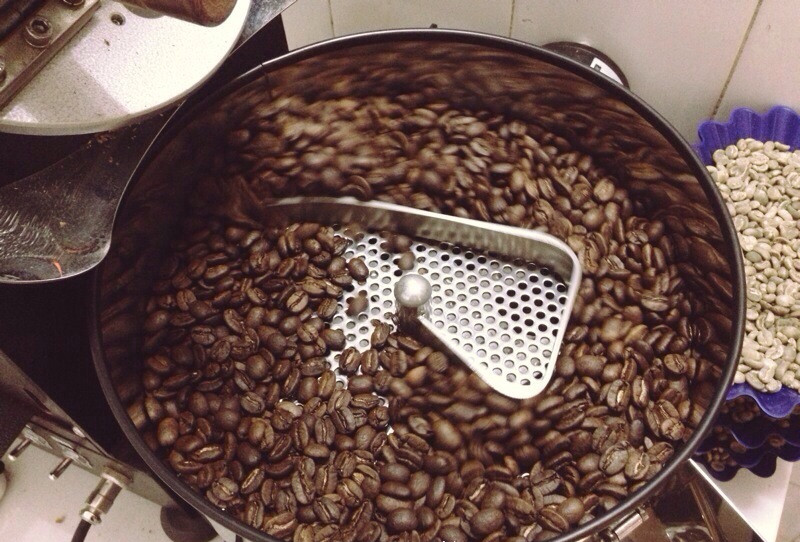
Basic chemical reactions of coffee beans during coffee roasting
Many thermal and chemical reactions take place during baking: decarbonation, dehydration of quinic acid, subdivision, isomerization, polymerization, and complex sugar reactions (caramelization). The main components of the thermal reaction are monosaccharides and sucrose, chlorogenic acid, free amino acids, and fenugreek amide. Both aravinose and calactose in the polysaccharides are transferred, and the basic vulcanization process includes hydroxylamine.
The basic chemical reactions that take place during coffee roasting
Many thermal and chemical reactions take place during baking: decarbonation, dehydration of quinic acid, subdivision, isomerization, polymerization, and complex sugar reactions (caramelization). The main components of the thermal reaction are monosaccharides and sucrose, chlorogenic acid, free amino acids, and fenugreek amide. Both aravinose and calactose in the polysaccharides are transferred, and the basic vulcanization process includes hydroxylamine.